What Weeds Are Telling You About Your Garden Health
Weeds aren’t just annoying; they can reveal a lot about your garden’s health. Each type of weed signals specific issues, from nutrient deficiencies to soil compaction. For example, if you’re seeing dandelions, your soil might be too compacted. Understanding these signals can help you make crucial adjustments. But what do other common weeds indicate? And how can you use this information to create a healthier garden ecosystem? Let’s explore the intricate relationship between weeds and soil health.
Key Takeaways
- Weeds can indicate soil conditions; for example, dandelions suggest compacted soil and clover indicates nitrogen deficiency.
- Certain weeds, like purslane, signal nutrient deficiencies, such as phosphorus, while plantain indicates low potassium levels.
- The presence of specific weeds can reflect soil pH levels, with higher pH promoting dandelions and lower pH favoring chickweed.
- Weeds improve soil health by preventing erosion, enhancing structure, and attracting beneficial insects when managed properly.
- Recognizing weed types helps tailor gardening practices, ensuring better soil health and a thriving garden ecosystem.
Understanding the Role of Weeds in Soil Health
Have you ever wondered what role weeds play in the overall health of your garden soil?
Weeds often indicate underlying soil conditions. They can be nature’s way of signaling nutrient deficiencies, compaction, or poor drainage.
Understanding the weed meaning in your garden helps you address these issues effectively.
Some weeds, like clover, fix nitrogen, enriching the soil. Others may compete for resources, but they also prevent erosion and improve soil structure. Additionally, certain weeds can serve as indicators of soil health indicators, helping you tailor your gardening practices to enhance your garden’s vitality.
Identifying Common Weeds and Their Significance
Recognizing common weeds in your garden not only aids in managing their growth but also offers valuable insights into your soil’s condition.
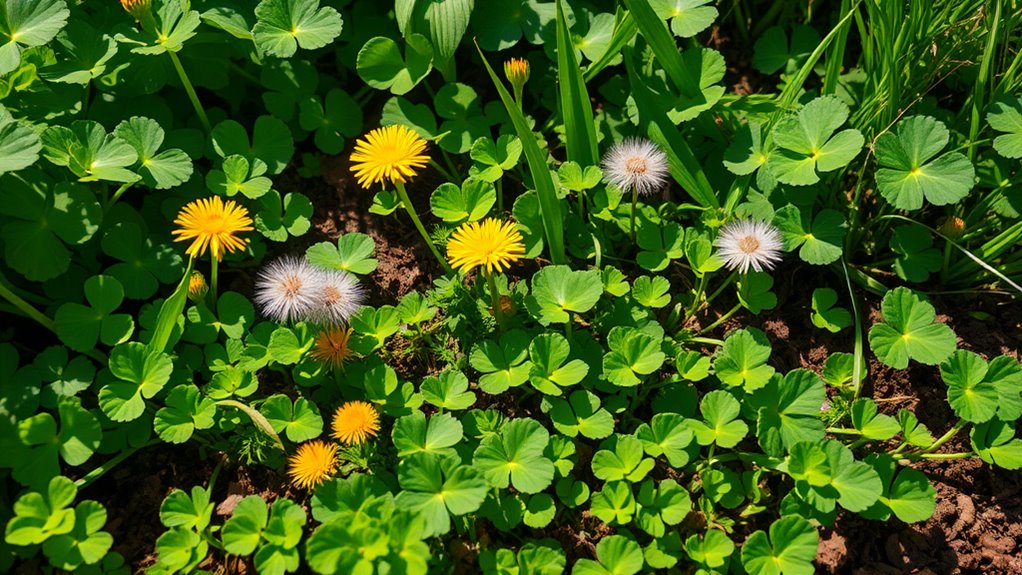
For instance, dandelions indicate compacted soil, while chickweed thrives in rich, moist conditions. If you spot purslane, it suggests your garden may be overly dry.
Each weed type tells a story about your garden’s environment, helping you identify areas needing attention. Additionally, many of these weeds, such as beneficial weeds, can actually improve soil quality and attract beneficial insects.
By observing these plants, you can adjust your gardening strategies, enhancing both soil health and plant vitality.
Staying vigilant about these weeds can lead to a thriving, balanced garden ecosystem.
Weeds as Indicators of Nutrient Deficiencies
Weeds often thrive in conditions lacking essential nutrients, signaling a need for your attention. By observing which weeds flourish, you can identify what your soil may be missing.
-
Nitrogen Deficiency: Look for clover or dandelion, often indicating low nitrogen levels.
-
Phosphorus Deficiency: If you see purslane, it might suggest a lack of phosphorus in your soil.
-
Potassium Deficiency: Presence of plantain can point to insufficient potassium.
Recognizing these patterns helps you amend your soil, ensuring healthier plants and a thriving garden. Additionally, signs of struggling garden soil can further highlight potential issues in your garden ecosystem.
The Relationship Between Weeds and Soil Ph
The pH level of your soil plays a crucial role in determining which weeds dominate your garden.
A higher pH, typically above 7, often encourages weeds like dandelions and clover, while a lower pH, below 6, favors species such as chickweed and plantain.
Understanding this relationship helps you identify soil imbalances. If you notice specific weeds thriving, it’s a signal to test your soil’s pH. Adjusting pH with amendments can promote healthier plant growth and reduce unwanted weeds. Additionally, acidic soil can lead to nutrient deficiencies in plants, further highlighting the importance of maintaining balanced soil pH.
Strategies for Managing Weeds and Improving Garden Health
What effective strategies can you employ to manage weeds while enhancing the overall health of your garden?
Start by implementing these practical approaches:
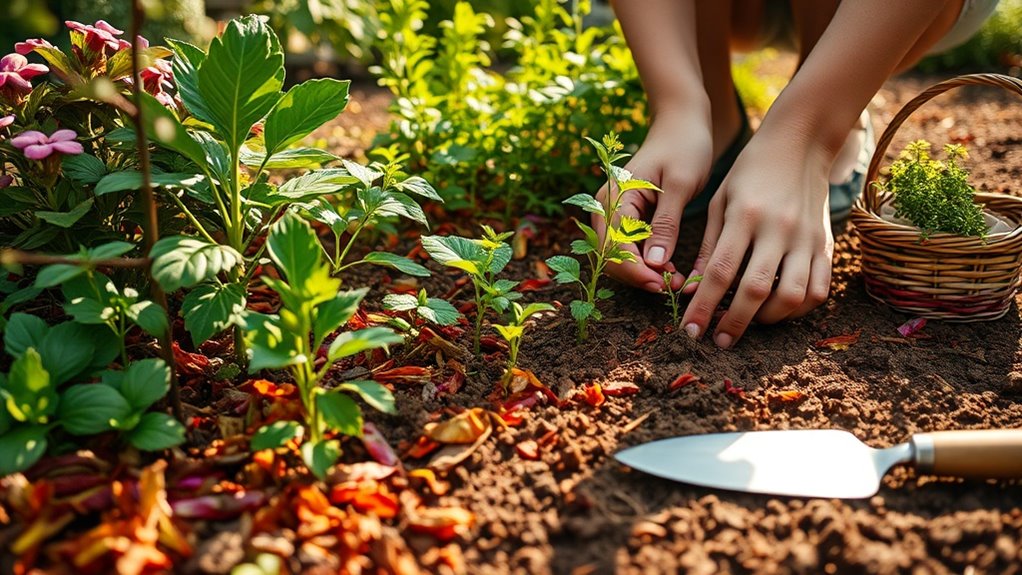
- Mulching: Apply organic mulch to suppress weed growth, retain moisture, and improve soil health.
- Regular Monitoring: Frequently inspect your garden for weeds, removing them promptly before they spread.
- Crop Rotation: Change the planting layout each season to disrupt weed life cycles and promote soil diversity. Additionally, consider using natural weed elimination methods, which can make the process easier and more sustainable.