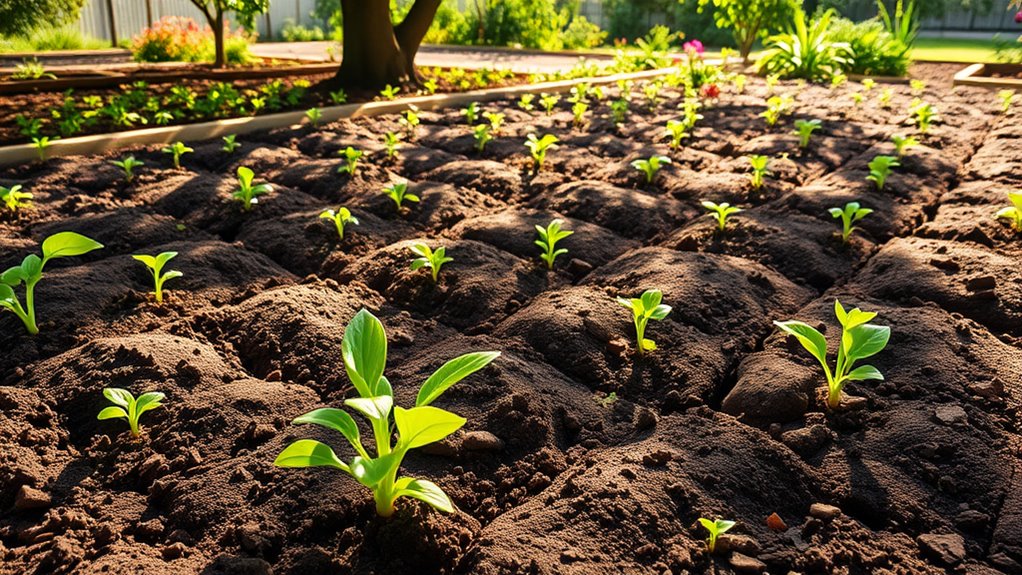
Your Seasonal Guide to What You Should Be Planting Right Now
Just as a gardener tends to the changing seasons, you must adapt your planting strategies throughout the year. Each season brings its own set of opportunities for growth, and knowing what to plant now can significantly impact your harvest. From cooling spring greens to hearty winter crops, understanding the right timing and techniques will set you up for success. What’s the best crop to start with this season?
Key Takeaways
- Check your local frost date to determine the best time for planting seeds or seedlings.
- In spring, plant cool-season crops like spinach, peas, and radishes for early harvest.
- During summer, focus on heat-loving vegetables such as tomatoes, peppers, and fast-growing herbs.
- In fall, plant garlic, onion sets, and kale to ensure a productive winter garden.
- In winter, prepare by planning your garden layout and ordering seeds for the upcoming planting season.
Spring Planting Tips
Spring is the perfect season to breathe life back into your garden, and getting started early can make all the difference.
Refer to a seasonal planting guide to determine what to plant now.
Consider cool-season crops like spinach, peas, and radishes, which thrive in the brisk spring air.
Prepare your soil by tilling and adding compost to enhance fertility.
Don’t forget to check the last frost date in your area; timing is crucial for successful growth.
Once you’ve sown your seeds or planted seedlings, keep the soil moist, and watch as your garden bursts into vibrant life! Additionally, incorporating essential spring planting tips can help maximize your garden’s potential for a bountiful harvest.
Summer Planting Guide
As the warm sun brings longer days, it’s time to dive into your summer planting guide.
Now’s the perfect moment to sow heat-loving vegetables like tomatoes, peppers, and eggplants.
Consider planting fast-growing herbs such as basil, cilantro, and dill to enhance your summer dishes.
If you’re looking for quick rewards, try radishes or lettuce, which thrive in warm weather.
Remember to water deeply and regularly, especially during those hot spells.
Mulching around your plants can help retain moisture and suppress weeds.
Keep an eye out for pests, and don’t forget to enjoy the fruits of your labor! Additionally, incorporating seasonal planting techniques can lead to a more bountiful harvest.
Fall Planting Recommendations
Autumn brings a vibrant palette to your garden and presents a unique opportunity for planting.
As temperatures cool, it’s the perfect time to sow crops that thrive in fall.
Here are your top four recommendations:
- Garlic – Plant in October for a bountiful harvest next summer.
- Onions – Choose sets or seeds to establish strong roots before winter.
- Kale – This hardy green can withstand frost and continues to grow.
- Pansies – Brighten your landscape with these resilient flowers that bloom in cooler weather.
Additionally, consider planting seasonal vegetables that can enhance your garden’s productivity well into the colder months.
Get ready to enhance your garden’s beauty and bounty this fall!
Winter Planting Strategies
How can you keep your garden thriving during the winter months?
Start by selecting cold-hardy crops like kale, spinach, and garlic, which can withstand frosty conditions.
Use row covers or cold frames to protect plants from harsh winds and temperatures.
Mulching around your plants can help retain heat and moisture.
Consider planting cover crops to enrich the soil and prevent erosion.
If you have a greenhouse, utilize it to extend your growing season.
Regularly check for pests and diseases, as they can still thrive in winter.
Incorporating seasonal garden tips can also help you make the most of your winter gardening efforts.
With these strategies, your garden can flourish even in the coldest months.
Seasonal Planting Calendar
Keeping your garden thriving throughout the year means planning your planting schedule carefully.
A seasonal planting calendar helps you know what to plant and when.
Here’s a quick guide:
- Spring: Start seeds indoors for tomatoes, peppers, and eggplants.
- Summer: Direct sow beans, cucumbers, and squash as the soil warms.
- Fall: Plant garlic, onions, and cover crops to enrich the soil.
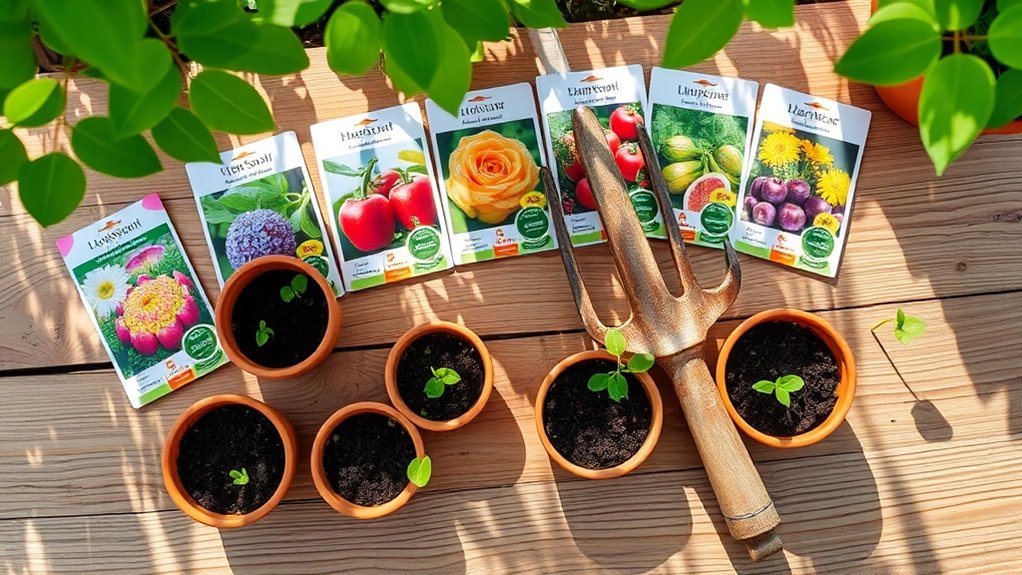
- Winter: Prepare for the next season by planning your layout and ordering seeds.
In addition, consider ideal crops for this month’s planting to maximize your harvest potential.